
With the comprehensive recovery of the global electronic manufacturing industry in 2026, the FPC (flexible circuit board) industry is facing a new round of development opportunities, and the market size continues to expand. According to industry authoritative institutions' predictions, the global FPC market size will reach 31.07 billion US dollars by 2026, a year-on-year increase of 9.5%. Among them, automotive electronics, low altitude economy, humanoid robots and other fields have become the core engines driving industry growth. The industry is accelerating its transformation from "quantity increase" to "quality change", and the four core trends are becoming increasingly prominent.
The automotive electronics field has become a growth driver, moving from "penetration" to "standard configuration". With the deep upgrading of new energy vehicles towards intelligence and electrification, the electronic and electrical architecture of automobiles continues to change. FPC, with its advantages of lightweight, high integration, and bendability, is increasingly widely used in core components such as battery management systems (BMS), intelligent cockpits, advanced driver assistance systems (ADAS), and headlights. Data shows that the usage of FPC per traditional fuel vehicle is only 15-20 pieces, while the usage of FPC per new energy vehicle has skyrocketed to 45-50 pieces, with high-end models even exceeding 60 pieces. By 2026, the proportion of FPC demand in the automotive electronics field will increase to 45%, becoming the fastest-growing segment in the industry. Leading domestic FPC manufacturers are laying out automotive grade products, introducing the IATF 16949 quality management system, promoting product upgrades towards high temperature resistance, vibration resistance, and high reliability, and adapting to high-end demands such as 800V high-voltage platforms.
Breaking through emerging fields and opening up long-term growth opportunities for the industry. In 2026, the rise of emerging fields such as low altitude economy, humanoid robots, and AI terminals will bring new development opportunities to the FPC industry. The joints, hands, and "electronic skin" of humanoid robots require a large number of flexible sensing and signal transmission components, which have extremely high requirements for the lightweight, high reliability, and customization of FPC; The miniaturization and lightweight design of drones and low altitude aircraft in the field of low altitude economy also rely on the support of FPC. In addition, the demand for FPC in fields such as AI servers and wearable devices continues to rise, with the adoption rate of multi-layer FPC and rigid flexible combination board increasing by 73% year-on-year, becoming an important direction for industry technology upgrading.
Technological upgrading is accelerating, and high-end materials and precision processes have become the focus of competition. The upgrading of market demand has forced technological innovation, and by 2026, single and double-sided boards will gradually exit the mid to high end market. Multilayer boards, HDI (high-density interconnect) soft boards, and rigid flexible composite boards have become the core of industry competition. At present, the industry has entered the era of 20/20 μ m fine line mass production, and the application of 0.05mm ultra-thin substrates is becoming increasingly widespread. The adaptability of high-frequency and high-speed materials has become the core competitiveness of manufacturers. At the same time, the localization of high-end substrates such as LCP (liquid crystal polymer) and low dielectric constant PI film is accelerating, and the localization rate of high-end PI is expected to exceed 30% by 2026, effectively reducing domestic manufacturers' dependence on imported materials and promoting industry cost optimization.
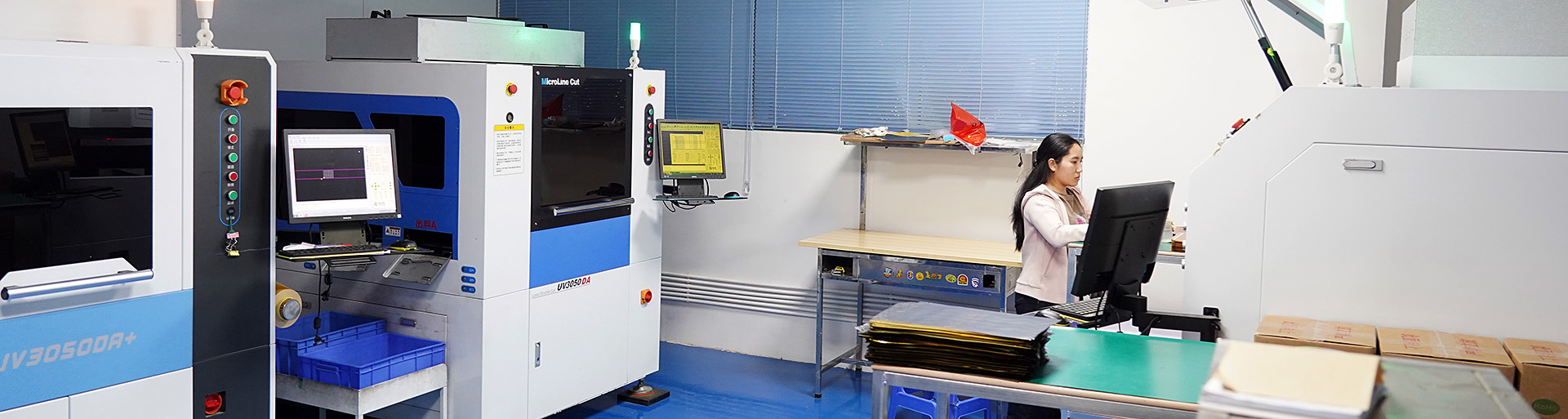
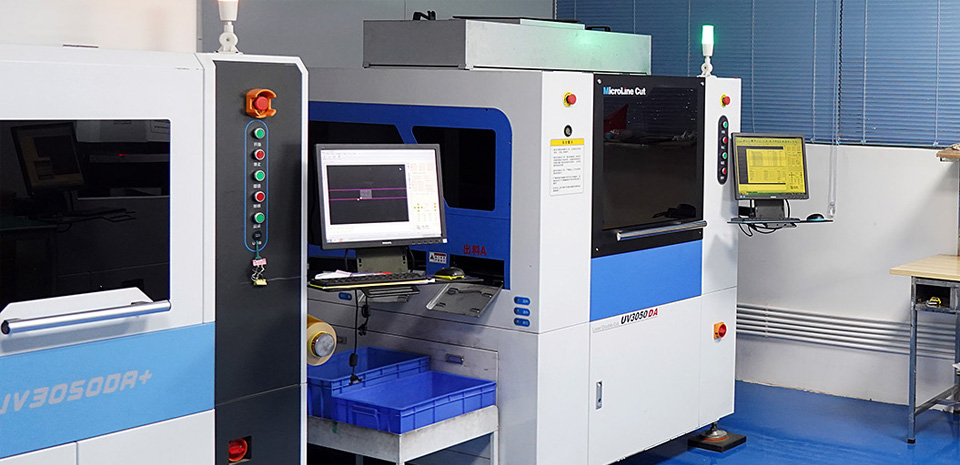
The parallel implementation of intelligent manufacturing and supply chain restructuring has led to a continuous increase in industry concentration. Faced with market competition and cost pressures, leading FPC manufacturers are promoting intelligent upgrades, with roll to roll (R2R) continuous production processes and AI visual inspection systems widely used, driving production efficiency to increase by over 25% and yield rates to remain stable at over 99.5%. Meanwhile, influenced by fluctuations in raw material prices and the international trade environment, there is a clear trend towards localizing the supply chain. Domestic end manufacturers are more inclined to choose FPC manufacturers that provide localized raw material support to avoid supply chain risks. In the future, the industry will present a pattern of "head concentration and small and medium-sized factory clearance", and technological barriers and stable delivery capabilities will become the key to the survival of manufacturers.

Official Account

Follow Us
